San Jose highlight
Rosicrucian Egyptian Museum
The largest collection of ancient Egyptian antiquities in the Western United States, operated by the Ancient Mystical Order Rosae Crucis in San Jose's Rose Garden neighborhood since 1966.
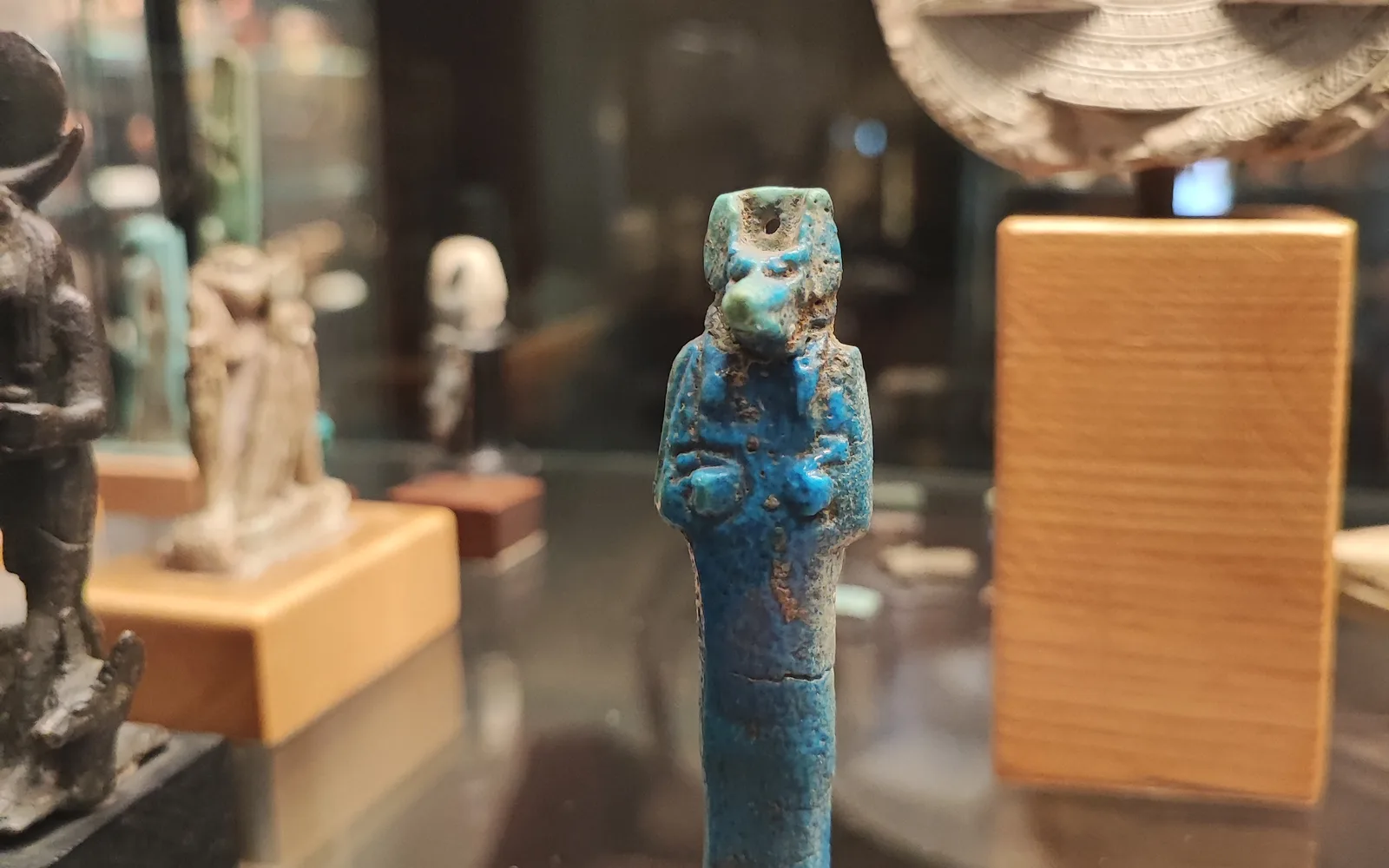
The Rosicrucian Egyptian Museum is located at Rosicrucian Park in San Jose's Rose Garden neighborhood. The museum was originally presented to the public in 1928 as the Rosicrucian Egyptian Oriental Museum, founded by Harvey Spencer Lewis, leader of the Ancient Mystical Order Rosae Crucis (AMORC). The current building opened in November 1966 and has been expanded over the decades while maintaining its authentic Egyptian Revival architectural style.
The museum houses the largest collection of ancient Egyptian antiquities in the Western United States, with over 2,000 exhibits including mummies, coffins, statues and artifacts spanning multiple dynasties of pharaonic Egypt. The campus features a replica rock-cut tomb based on excavations at Beni Hasan, a planetarium (the fifth built in the United States when completed), and rotating exhibits on topics including alchemy and Egyptian history. The facility attracts approximately 110,000 visitors annually, including 26,000 school children through educational programs, and became carbon-neutral in 2018.
Museums and libraries are places where families pass down curiosity and learning across generations, much like the institutions and traditions people build through their working lives. A term life policy ensures that the people who depend on you can continue those traditions: living in the family home, attending the schools and experiences you chose, and building their own futures without the crisis of sudden financial disruption.